
Gun violence statistics in America is a critical public health issue that affects all corners of society.
While debates continue over assault weapons, gun control, and rights, the gun homicide rate statistics paint a stark picture of the human cost associated with firearms. Understanding these figures is vital for fostering a safer environment.
Top 30 Firearm Violence Data & Statistics in the United States
1. Annual Firearm Deaths
In 2024, approximately 45,222 people in the U.S. lost their lives due to firearms. This staggering number underscores the gravity of gun violence as a national crisis, emphasizing the urgent need for effective gun safety and legislation measures.
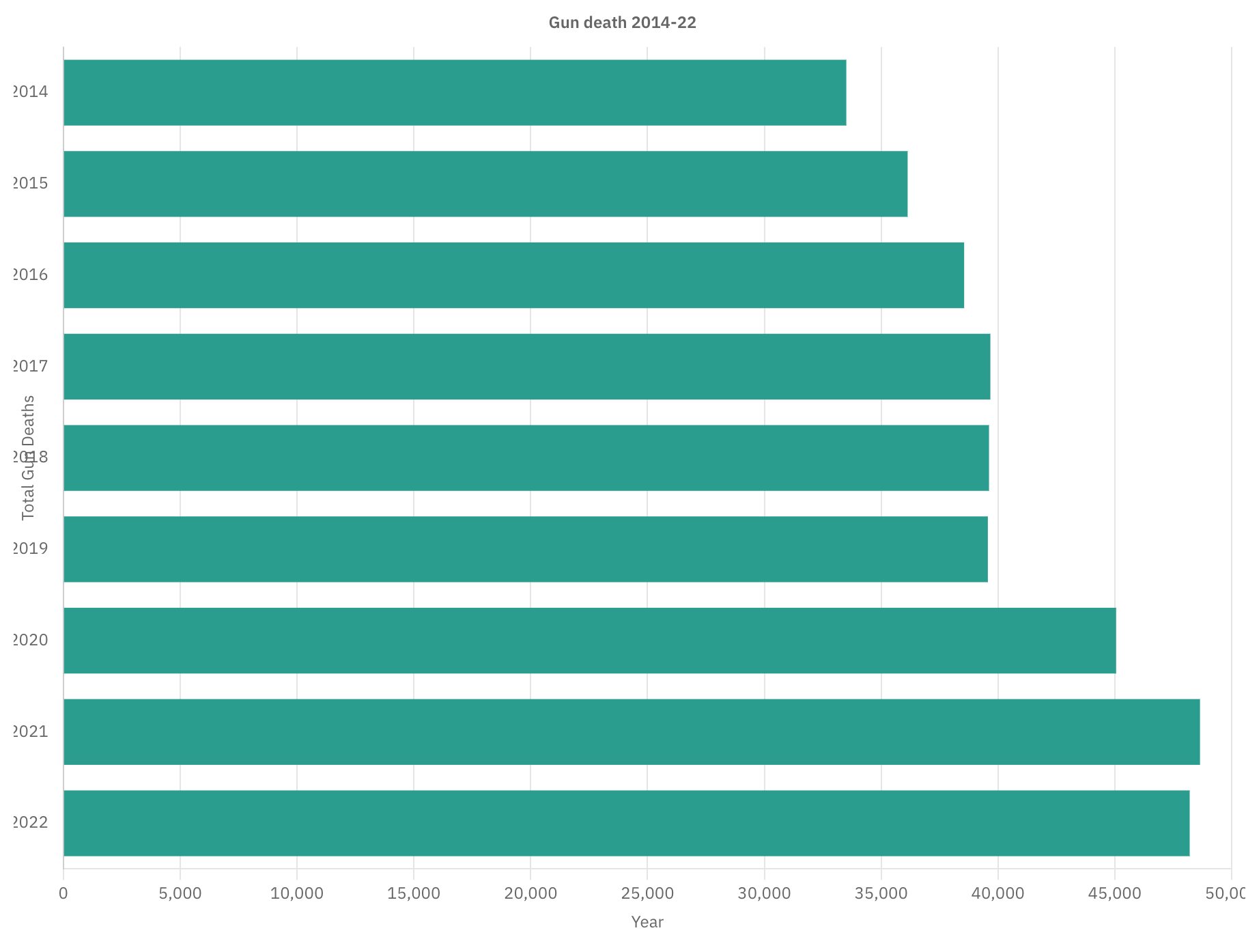
Based on data from CDC. Graph image link.
2. The Suicide Crisis
Out of the total gun deaths, 54% are suicides, highlighting a disturbing trend of firearm suicides. Easy access to guns significantly increases the risk of suicide, with these attempts being fatal in 85% of cases due to the lethality of firearms. This statistic is a call to action for stricter gun storage laws and legal intervention to reduce access to firearms among those at risk.
| Intent/type | Deaths |
| Total – all intents | 48,204 |
| Preventable/accidental | 463 |
| Suicide | 27,032 |
| Homicide | 19,651 |
| Legal Intervention | 643 |
| Undetermined (a) | 415 |
Data from here.
3. Dominance of Firearms in Homicides
Firearms are involved in 79% of all homicides in the United States, marking a significant public safety concern. This statistic reflects the central role that firearms play in violent crime, suggesting the need for targeted interventions and stricter gun laws to address gun-related homicides and enhance community safety.
4. Personal Impact of Gun Violence
An alarming 60% of U.S. adults report knowing someone who has been affected by gun violence. This widespread personal connection to gun violence demonstrates its deep and pervasive impact on American society, underlining the importance of comprehensive strategies to mitigate gun violence and support affected individuals and communities.
5. High Rates of Firearm Ownership
The United States has an estimated 120.5 guns for every 100 residents, making it one of the countries with the highest rates of firearm ownership globally. This high density of firearms underscores the challenges and responsibilities associated with gun ownership, including the need for effective firearm safety and storage practices to prevent accidental shootings and gun thefts.
| Country | Firearms per per 100 population |
| United States | 120.5 |
| Falkland Islands | 62.1 |
| Yemen | 52.8 |
| New Caledonia | 42.5 |
| Serbia | 39.1 |
| Montenegro | 39.1 |
| Canada | 34.7 |
| Uruguay | 34.7 |
| Cyprus | 34.0 |
| Finland | 32.4 |
6. The Rarity of Mass Shooting
While often the focal point of media and policy discussions, mass shootings constitute less than 1% of all gun deaths in the U.S.
This statistic highlights the necessity of addressing the broader spectrum of gun violence, such as suicides and single-victim homicides, which together represent the vast majority of firearm-related fatalities.
7. Rising Trend in Gun Murders
Since 2019, firearm homicides have increased by 35%, a worrying trend that reflects escalating gun violence in many communities. This rise calls for urgent attention to gun policies and prevention strategies aimed at reducing gun-related deaths and enhancing public safety.
8. Vulnerability of Young Adults
Young adults aged 15-34 are disproportionately affected by gun violence, representing 63% of homicide victims. This demographic highlights the need for targeted interventions to protect young people, especially in urban areas where such violence is more prevalent.
| Age | Gun assault deaths |
| <1 year | 16 |
| 1-4 years | 77 |
| 5-14 | 395 |
| 15-24 | 5,814 |
| 25-34 | 5,836 |
| 35-44 | 3,861 |
| 45-54 | 1,947 |
| 55-64 | 1,080 |
| 65-74 | 422 |
| 75-84 | 163 |
| 85+ | 40 |
9. Racial Disparities in Gun Homicides
Black Americans are disproportionately affected by gun violence, being 14 times more likely to die by gun homicide compared to their white counterparts. This stark disparity underlines the racial inequalities in gun violence and necessitates comprehensive approaches to address these injustices in affected communities.
10. Demographics of Gun Suicides
While gun violence affects various demographics, White Americans represent 74% of gun suicide deaths. This predominant percentage reflects broader societal and mental health issues that may be particularly pronounced in this demographic, pointing to the need for targeted mental health services and preventive interventions that address the risk factors contributing to these high rates.
11. Gender Disparity in Gun Fatalities
Men account for 86% of all gun deaths, underscoring a significant gender disparity in firearm-related fatalities. This statistic highlights the crucial need for gender-specific approaches in gun violence prevention and mental health support, especially considering men’s higher likelihood of using firearms in violent outcomes.
Gender breakdown of gun deaths by category
| Gender | Male | Female |
| Total gun deaths | 41,293 | 6,895 |
| Suicides | 23,538 | 3,494 |
| Assault | 16,419 | 3,216 |
| Accident | 409 | 54 |
12. Age and Firearm Suicides
Firearm suicide rates are notably highest among older adults, indicating a troubling trend that demands urgent action. Addressing the mental health needs of the elderly, ensuring they have access to appropriate support and resources, and securing firearms in households are vital steps in preventing these tragic incidents.
13. High Gun Death Rates in Mississippi
Mississippi stands out with the highest gun death rate in the United States. This alarming statistic points to a critical need for intervention and policy reform to address the underlying factors contributing to high rates of firearm fatalities. Effective measures could include enhanced gun safety laws, community outreach programs, and increased mental health support services.
5 States with Highest Gun Death Rates
| State | Gun Death Rate |
| Mississippi | 29.6 |
| Louisiana | 28.2 |
| New Mexico | 27.3 |
| Alabama | 25.5 |
| Missouri | 24.2 |
5 States with Lowest Gun Death Rates
| State | Gun Death Rate |
| Rhode Island | 3.1 |
| Massachusetts | 3.7 |
| Hawaii | 4.5 |
| New Jersey | 5 |
| New York | 5.3 |
Gun death rates by state (Data from CDC)
14. Low Gun Death Rates in Rhode Island
In contrast, Rhode Island has the lowest gun death rate and firearm homicide rate in the nation. This statistic reflects the effectiveness of the state’s stringent gun control policies and its commitment to public health and safety. The state’s approach provides a model for other states aiming to reduce firearm-related fatalities through comprehensive legislative and preventive measures.
15. Southern States and Gun Deaths
The Southern states collectively account for 40% of all gun deaths in the U.S., underscoring a regional crisis that demands targeted solutions. This concentration of gun deaths highlights the need for regional strategies that address the specific social, economic, and cultural factors contributing to high rates of firearm fatalities in these areas.
16. Concentration of Gun Homicides in Urban Areas
Urban areas experience significantly higher gun homicide rates compared to suburban and rural areas. This pattern is often linked to higher population densities, economic disparities, and varying levels of police presence and community resources.
Addressing gun violence in urban settings requires multifaceted strategies that include law enforcement, community engagement, and socio-economic development.
17. Prevalence of Gun Suicides in Rural Areas
Rural areas have higher rates of gun suicides, reflecting issues such as isolation, lack of access to mental health services, and higher numbers of gun owners. This distressing trend highlights the need for targeted mental health initiatives and effective firearm safety education and storage solutions to prevent these tragedies.

18. Financial Impact of Gun Violence Costs
The economic cost of gun violence in the United States is staggering, amounting to $557 billion annually. This figure encompasses healthcare costs, law enforcement expenses, lost income, and productivity, as well as pain and suffering associated with gun-related injuries and deaths.
The financial burden underscores the urgent need for comprehensive gun violence prevention measures that can also relieve economic strain on public resources.
19. Tragic Impact on Youth
Gun violence has become the leading cause of death among children and teens in the United States, surpassing accidents, cancer, and other diseases. This alarming statistic highlights the urgent need for effective child access prevention laws and community safety measures to protect our youngest and most vulnerable populations from firearm-related incidents.
20. Long-Term Consequences of Gunshot Injuries
One in four gunshot wound victims suffers long-term disabilities, reflecting the severe impact of gun violence beyond immediate fatality rates. These injuries can lead to significant medical costs, lost wages, and ongoing physical and psychological hardships, emphasizing the need for comprehensive healthcare and support systems for survivors.
21. Widespread Impact of Gun Violence
Annually, over 14,000 people are injured by gun violence in the U.S., a figure that only scratches the surface of the broader societal impact. These injuries place a heavy burden on healthcare systems, families, and communities, driving home the necessity for preventive measures and interventions aimed at reducing gun-related incidents.
22. Impact of Strong Gun Legislation
States with robust gun laws experience 27% fewer gun deaths compared to states with lax regulations. This statistic demonstrates the effectiveness of stringent gun control measures in saving lives by reducing firearm-related fatalities. Implementing and enforcing comprehensive gun laws are crucial steps toward enhancing public safety and preventing gun violence.

23. Effectiveness of Red Flag Laws
Red flag laws, also known as Extreme Risk Protection Orders, have been instrumental in preventing over 15,000 potential suicides. By temporarily removing firearms from individuals deemed at risk of harming themselves or others, these laws provide crucial intervention points that can save lives and offer opportunities for mental health support.
24. Success of Background Checks
Annually, universal background checks prevent over 200,000 gun purchases, serving as a critical barrier to keeping firearms out of the hands of those who may pose a threat to public safety. This process is essential for vetting potential gun owners and ensuring that firearms are kept away from individuals with histories of violence or criminal activity.
25. Intersection of Domestic Violence and Gun Homicides
Domestic violence incidents involving firearms account for 21% of all gun homicides. This high percentage highlights the deadly role that guns play in domestic disputes, often escalating conflicts to fatal outcomes.
Strengthening laws to restrict firearm access in volatile domestic situations is crucial to preventing these tragedies and protecting vulnerable individuals.
26. Firearms in Home Invasions
Although firearms are a common concern in discussions about home security, they are used in only 3% of violent home invasions. This statistic suggests that while the fear of being confronted with a firearm during a home invasion is prevalent, such incidents are relatively rare.
It emphasizes the importance of comprehensive safety measures beyond firearm possession to secure homes effectively.
27. Impact of Permit-to-Purchase Laws on Gun Suicide Rates
States that have implemented permit-to-purchase laws report 60% fewer gun suicides compared to those without such regulations. These laws, which typically require background checks and sometimes mandatory waiting periods before purchasing a firearm, have proven effective in reducing impulsive acts of self-harm by limiting immediate access to guns.

28. Comparing U.S. Gun Violence to Other Countries
The gun violence rate in the U.S. is 25 times higher than that of other high-income countries. This stark difference underscores the unique and severe nature of America’s gun violence problem, highlighting the need for significant changes in policy and culture around firearms to align more closely with global standards for safety and regulation.
29. Illegal Sources of Crime Guns
Approximately 50% of guns used in crimes are acquired illegally. This high percentage indicates significant issues with gun trafficking and unregulated sales, pointing to the necessity for stronger enforcement of existing gun laws and the implementation of more robust measures to track and control firearm sales.
30. Public Opinion on Gun Control
A notable 62% of Americans support stricter gun laws, reflecting widespread public concern about gun violence and a strong desire for legislative action to address this issue. This majority support presents a clear mandate for policymakers to enact more comprehensive gun control measures to meet the electorate’s expectations for safety and security.
Types of Gun Violence
Homicides
Gun homicides represent a significant portion of firearm-related deaths in the U.S., often concentrated in urban areas where socioeconomic disparities and gang violence are more prevalent. These intentional killings are influenced by factors such as access to firearms, community conditions, and the effectiveness of local law enforcement.
Policy interventions, such as enhanced background checks and restrictions on firearm ownership for individuals with violent criminal histories, have been proposed to reduce these incidents.
Suicides
Firearms play a devastating role in suicides, accounting for the majority of suicide deaths in the country. The lethality of guns makes suicide attempts much more likely to be fatal, with limited opportunity for intervention or regret.
Mental health support and restricting access to firearms for people at risk of harming themselves are critical measures that could prevent these deaths. Programs like red flag laws and safe storage initiatives are key to reducing gun suicides.
Accidental Gun Deaths

Accidental gun deaths, although less frequent than homicides and suicides, highlight the dangers of unsafe handling and storage of firearms. These preventable tragedies often involve children and result from unsecured firearms in the home.
Promoting education on gun safety, enforcing child access prevention laws, and implementing technology such as smart guns could help minimize these incidents.
Mass Shootings
Mass shootings, while accounting for a small fraction of total gun deaths, have a profound impact on public perception and policy debates about gun violence. These events typically receive extensive media coverage and stimulate significant public and political reactions.
The discourse often revolves around topics such as assault weapons bans, magazine capacity limits, and the broader implications of gun control on civil liberties.
How Americans View Gun Control in 2024
In 2024, American attitudes toward gun control are shaped by ongoing debates, incidents of gun violence, and legislative changes. Public opinion is polarized but also shows significant support for specific measures aimed at reducing gun violence.
Broad Support for Specific Measures
A majority of Americans support comprehensive background checks for all gun sales, including private transactions and sales at gun shows. This measure is seen as a common-sense step to prevent firearms from falling into the hands of those deemed a risk to public safety.
Initiatives like red flag laws, which allow for temporary removal of firearms from individuals considered a threat to themselves or others, also receive widespread support. These laws are particularly favored for their role in preventing suicide and reducing the incidence of mass shootings.
Divisions Over More Restrictive Laws
However, there is a significant divide over more restrictive laws, such as bans on assault weapons and high-capacity magazines. Supporters argue that these measures are necessary to prevent mass shootings and reduce the lethality of gun violence. At the same time, opponents claim they infringe on Second Amendment rights and penalize responsible gun owners.
Regional Differences

Attitudes towards gun control also vary significantly by region, with individuals in urban areas more likely to support stricter regulations compared to those in rural areas where gun ownership is more prevalent and culturally ingrained.
Political and Demographic Factors
Political affiliation remains a strong indicator of one’s stance on gun control. Most Democrats favor stricter gun laws, while Republicans are more likely to support protecting gun rights. Age, gender, and experiences with gun violence also influence opinions, with younger people, women, and those affected by gun violence more supportive of strict laws.
The Role of Information and Misinformation
The spread of information and misinformation plays a critical role in shaping public opinion on gun control. Accurate, data-driven discussions facilitated by organizations like the Centers for Disease Control and Prevention and research institutions like the Johns Hopkins Bloomberg School of Public Health contribute to informed debates. However, misinformation can skew public perceptions and hinder effective policy-making.
FAQs
How common is gun violence in America?
Gun violence is a significant issue in the United States, with tens of thousands of deaths and injuries occurring annually. It remains the leading cause of death among children and teens and a major concern in urban areas due to frequent shootings and homicides.
What percent of the U.S. is against guns?
It’s difficult to determine an exact percentage against gun ownership as attitudes vary widely. However, significant portions of the population support specific regulations like background checks and assault weapon bans, even among households that own guns.
Has gun violence increased in the U.S. in 2024?
Preliminary data suggest an uptick in certain types of gun violence in 2024, particularly in urban areas. The rise is often attributed to increases in interpersonal conflicts and economic hardships in various regions.
What are the reasons for gun violence in America?
Gun violence in America stems from multiple factors, including socioeconomic disparities, access to firearms, mental health issues, and domestic conflicts. The prevalence of guns and varying state laws also contribute significantly to the high rates of violence.
How does gun violence in the U.S. compare to other countries?
Gun violence in the U.S. is substantially higher than in other high-income countries. The U.S. gun homicide rate is 25 times higher than that of other developed nations, largely due to the widespread availability of firearms and less restrictive gun laws.
Key Takeaways
Gun violence remains a pervasive issue in the United States, impacting communities and families across the nation. It is a complex problem influenced by various factors, including legislation, cultural attitudes towards firearms, and economic conditions.
Sharing personal experiences can help foster a deeper understanding and drive meaningful conversations about solutions. If you’ve been affected by gun violence or know someone who has, sharing your story can contribute to the ongoing dialogue aimed at making communities safer.

